
 See Our Latest Article on HelloNation
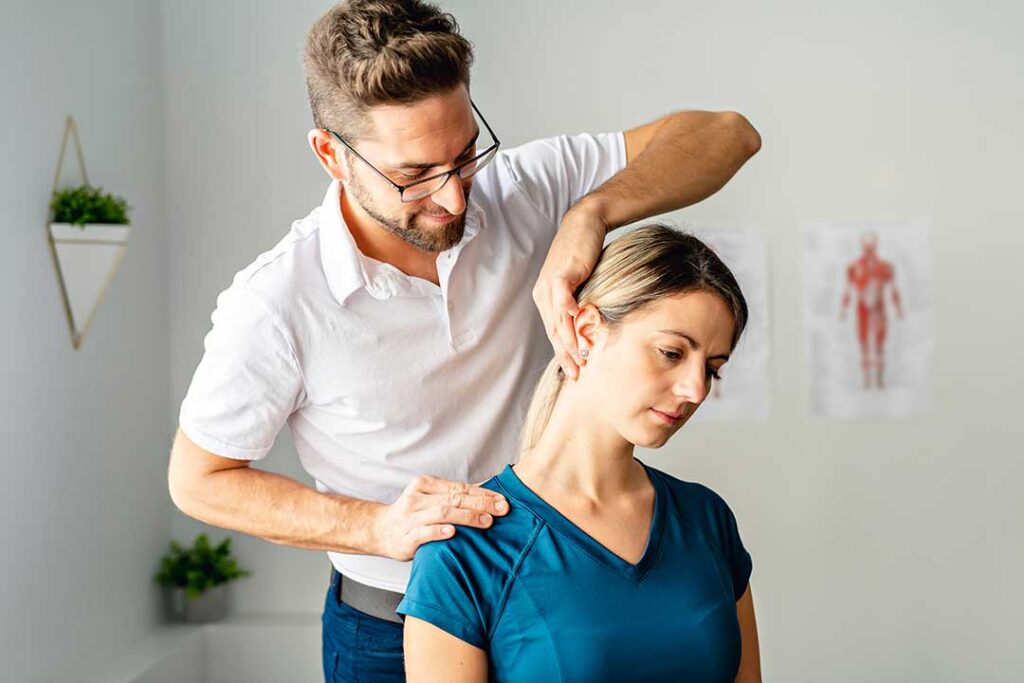
What Are Trigger Points, and How Do They Cause Muscle Pain?
Trigger points are sensitive, tight spots in muscle tissue that can cause discomfort or pain, often felt in another area of the body. These spots are commonly referred to as “knots” and can be a significant source of everyday aches for residents in Auburn, NY, who are active, work long hours at a desk, or participate in seasonal outdoor chores.
A trigger point usually forms where muscle fibers or fascia (the thin casing around muscles) become stuck in a contracted state. These areas are tender to touch and can radiate discomfort to other regions. For example, a trigger point in the shoulder may create tension that causes headaches or pain down the arm.
What Causes Trigger Points to Form?
Trigger points most commonly develop from a mix of physical stress and daily routines. Overuse, repetitive movements, poor posture, or a single injury can set the stage for persistent muscle knots.
For Auburn households, common everyday factors include:
- Shoveling snow in winter or raking leaves during fall
- Prolonged sitting at home offices or workplace desks
- Lifting heavy objects or kids without proper body mechanics
- Stress and tension, especially during busy community events or crowded areas
Some local residents find that cold weather and limited winter activity in Auburn can make muscle tightness and trigger points more likely.
How Do Trigger Points Feel?
Trigger points can feel different from person to person but are often described as:
- Persistent, localized tenderness or soreness in a muscle
- Stiffness with movement
- Referred pain, which means aching or tingling in a different location from the source
For example, a knot in the upper back might make a local resident feel neck pain or even headaches, rather than obvious back discomfort. Many area adults notice pain that comes and goes, or pain that flares after specific household chores, gardening, or local sporting activities.
Are Trigger Points the Same as Other Muscle Pain?
Trigger points are a specific type of muscle pain, but not all muscle pain comes from trigger points. Muscle soreness after a long walk along the local trails, or after a mild sprain, is caused by other temporary factors. In contrast, trigger points are ongoing and linked to chronic muscle tightness.
Auburn locals should also be aware of other sources of pain like joint inflammation, nerve irritation, or muscle tears, which may feel different from the ache or deep tenderness caused by trigger points.
How Are Trigger Points Found?
Identifying a trigger point involves feeling around the muscle for areas that are tight, tense, and reproduce the pain pattern when pressed. Often, a small bump or band can be felt under the skin.
Some tools or techniques that can help include:
- Gently pressing along the muscle with the fingers to locate a tender “knot”
- Stretching or moving the muscle to see if it triggers pain elsewhere
Residents often discover them during self-massage, routine stretching, or even while putting on clothing or performing daily tasks. Some individuals may confuse them with bruises or mild sprains; however, trigger points tend to persist and return to their tender state.
What Helps Reduce Trigger Point Pain at Home?
Gentle self-care approaches can often provide relief for mild, uncomplicated cases. For those living in Auburn, strategies like these may be practical:
- Applying a warm compress, especially after coming in from cold weather activities
- Gradual stretching of sore muscles, such as neck or shoulder rolls
- Using a foam roller or massage ball to gently apply pressure over the knot
- Practicing regular movement rather than staying sedentary during long winter months
- Focusing on good posture when using a computer or doing household work
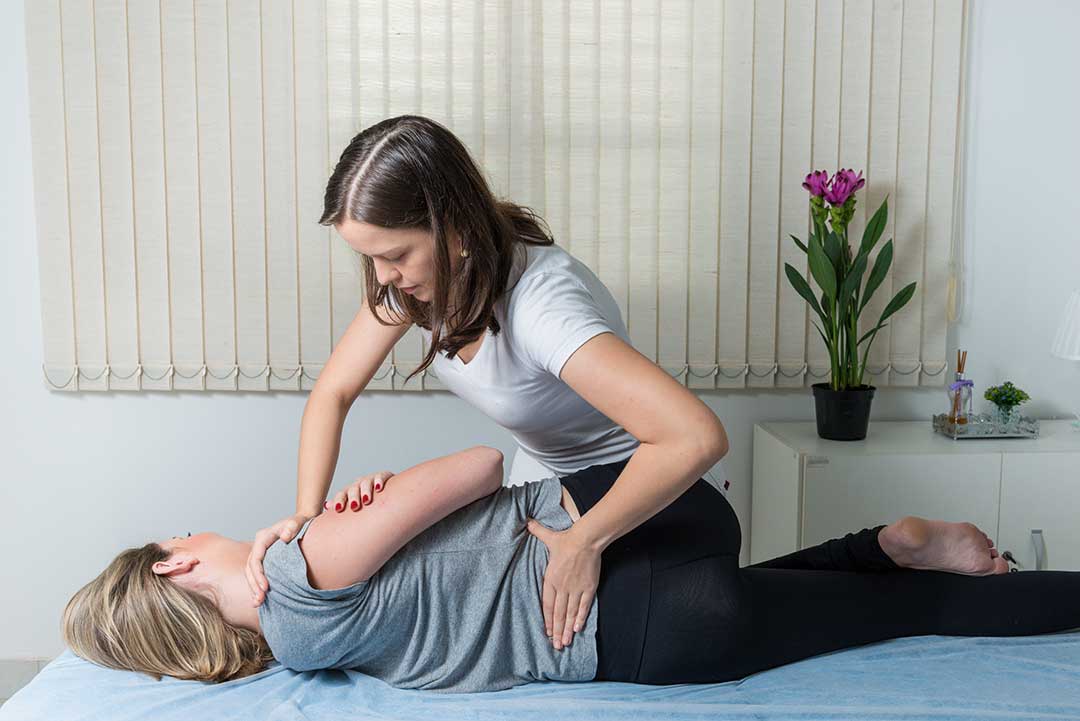
It’s common for local residents to try a mix of heat, self-massage, and gentle movement to ease discomfort, especially before or after activities like snow shoveling or yard work.
Can Trigger Points Come Back?
Trigger points can return if the underlying cause is not changed. For example, going back to old seating positions, skipping regular stretching, or repeating an awkward lifting motion can bring pain back. Seasonal shifts in Auburn, such as increased outdoor work in spring and fall, often coincide with more reports of flare-ups.
Building habits to address posture and maintain flexibility can help prevent recurrence among area households.
When Should You Seek Guidance for Muscle Pain?
Most trigger points are not a sign of serious illness, but there are times when pain requires attention:
- Severe, persistent, or unexplained pain that does not improve with rest
- Weakness, numbness, or tingling changes that last
- Pain following trauma, such as a fall on icy walkways or other injuries common in Auburn’s winter months
- Muscle pain that disturbs sleep or daily function
In these situations, it’s sensible to check with a qualified healthcare professional to rule out other causes.
Common Myths About Muscle “Knots”
Not all muscle pain comes from trigger points. It’s a misconception that every ache or stiffness is just a knot that can be massaged away. Area residents sometimes overlook other factors such as arthritis, nerve pinches, or even vitamin deficiencies that can also cause muscle pain.
Another myth is that all trigger points must be “deeply worked out.” Overly aggressive self-massage can make soreness worse. Gentle, gradual methods are often more effective and comfortable, especially for those not experienced with bodywork.
How Do Local Lifestyle Patterns Influence Trigger Points?
Life in Auburn often means adjusting to distinct weather changes and balancing indoor and outdoor activity. Many residents experience more inactive days during winter, alternating with intense bursts of physical work during seasonal cleanups. This fluctuating pattern can lead to cycles of inactivity (causing stiffness) and sudden strenuous activity (causing strain), both of which may contribute to trigger point formation.
Being mindful of these patterns—pacing heavy chores, integrating consistent stretching, and adapting routines to the season—can help area households manage and lessen recurring muscle discomfort.
