
 See Our Latest Article on HelloNation
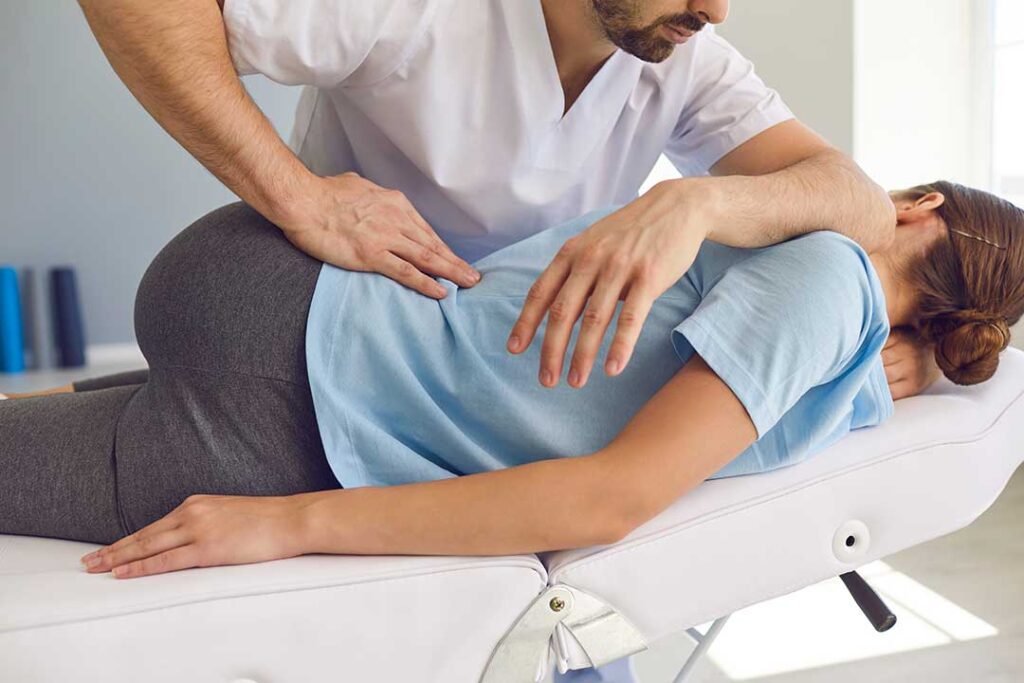
How Are Chiropractic and Massage Therapy Different?
Chiropractic care and massage therapy are both popular for addressing pain, stiffness, and stress, but they differ in approach, training, and goals. While both are commonly used in Auburn, NY by residents seeking relief from muscle or joint discomfort, each method is distinct in what it targets and how it works within the body.
What Is Chiropractic Care?
Chiropractic focuses on the diagnosis and treatment of issues related to the spine, joints, and nervous system. Most chiropractic visits involve manual adjustments or manipulations to the spine and other joints to improve alignment, mobility, and nerve function.
- Chiropractors complete years of specialized education and are licensed to perform evaluations, diagnoses, and manual corrections.
- Care may address headaches, back pain, neck pain, nerve-related issues, or posture problems.
- Practitioners often provide advice on stretches, posture habits, and daily ergonomics, which is especially useful during Auburn’s colder months when mobility can decrease.
In the context of Auburn's prevalent seasonal weather and indoor activities, chiropractic adjustments may be sought after slips, falls, or strains related to shoveling, ice, or local sports.
How Does Massage Therapy Work?
Massage therapy primarily involves manipulation of the body's soft tissues—muscles, tendons, and ligaments—using various hand techniques. This type of therapy is aimed at reducing muscle tension, improving circulation, and promoting relaxation.
- Massage therapists are trained to use several styles, from Swedish to deep tissue, based on client needs.
- Treatment generally helps with muscle soreness, stress reduction, recovery from physical activity, and localized pain from overuse or stiffness.
- Unlike chiropractic care, massage does not address joint alignment or directly impact nerve function.
Residents of the region often pursue massage sessions after long days of physical work, during seasonal transitions, or as a way to manage stress linked to busy routines and limited daylight in winter.
What Conditions or Symptoms Lead People to Choose One Over the Other?
Chiropractic care is typically chosen for problems involving the spine, joint pain, sharp or radiating pain, or suspected nerve involvement. People dealing with persistent headaches, sciatica, or reduced range of motion may find chiropractic evaluations especially beneficial.
Massage tends to be sought out for general muscle soreness, stress, minor aches, or to speed up recovery after strenuous exercise. Tension from shoveling snow, working outdoors, or sitting at a desk indoors in Auburn’s climate are common reasons locals might look for massage therapy.
Many individuals actually use both approaches in different situations, sometimes alternating by season or particular discomforts.
Are Treatments Performed and Licensed Differently?
Yes, licensing and clinical focus differ significantly:
- Chiropractors are doctorate-level professionals with state-required board exams, and their scope includes diagnosis, imaging (like X-rays), and manual joint adjustments.
- Massage therapists typically undergo a certificate or associate program with state licensing that emphasizes soft tissue manipulation and relaxation rather than joint alignment.

Chiropractic appointments can involve assessments similar to a medical visit, while massage sessions are more focused on hands-on therapy in a relaxing setting.
Do Chiropractic or Massage Therapy Involve Risks?
Both therapies are generally safe when practiced by licensed professionals. Most risks are mild, such as temporary soreness or fatigue. Chiropractic adjustments are not recommended for individuals with certain bone or nerve diseases, and massage is sometimes avoided in cases of recent injuries, open wounds, or some medical conditions.
Local residents should ensure any provider is properly licensed for New York State; regulations are in place to promote safety and accountability for both professions.
Can They Work Together?
Many Auburn households combine both types of care, either sequentially or for different issues. For example, someone might see a chiropractor for a spinal alignment issue after a winter fall, then seek massage to relieve secondary muscle tightness. Clear communication between providers can enhance outcomes.
Some misconceptions exist that the two professions are interchangeable or that one fully substitutes for the other, but they are distinct fields with unique approaches and strengths.
How Do Residents Typically Decide Which Option to Try?
The choice often depends on specific symptoms, previous experience, and personal preference. For example:
- Acute pain after sudden movement or fall often prompts a chiropractic visit.
- Persistent muscle tightness or stress following heavy outdoor labor or sports may lead to a massage session.
- Ongoing discomfort, or when unsure of the source, might prompt someone to start with a chiropractic evaluation to rule out more complex issues.
Most often, residents share stories and recommendations within the community based on positive experiences and day-to-day practical results rather than strict allegiance to one approach.
