
 See Our Latest Article on HelloNation
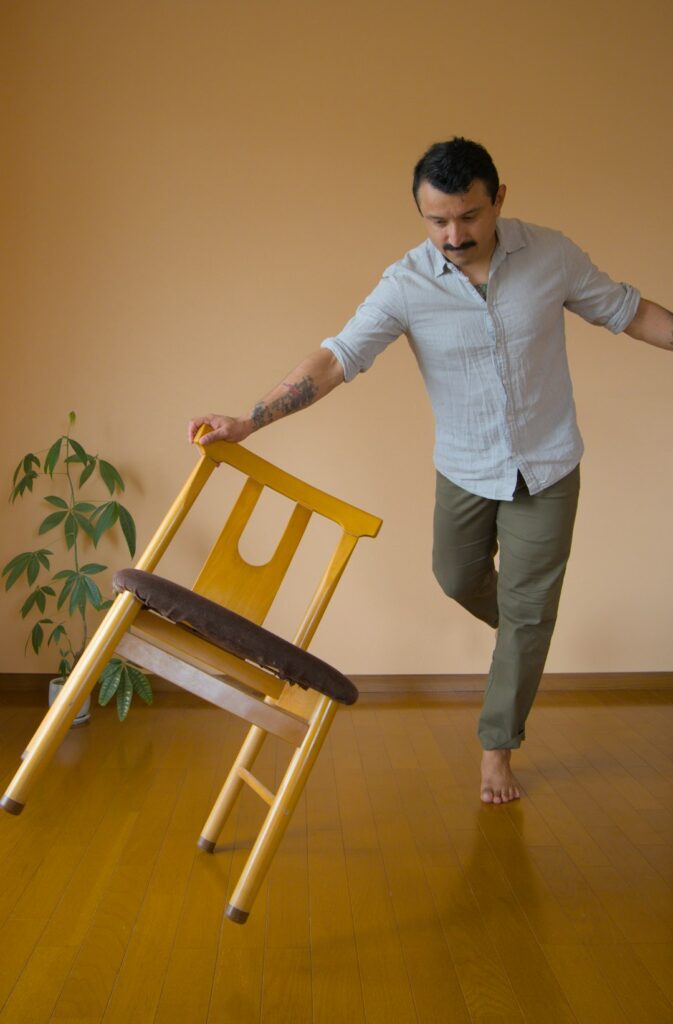
Mobility is the ability to move through daily life with control, strength, balance, and reasonable comfort. It affects simple activities such as getting out of a chair, walking on uneven ground, reaching overhead, turning the head, carrying groceries, or climbing stairs.
For residents in Auburn, seasonal weather, icy walkways, older housing layouts, yard work, commuting, and long periods of sitting can all influence how easily the body moves. Improving mobility does not always require intense exercise. Consistent, well-chosen movement habits can help reduce stiffness and support the muscles, joints, and nervous system.
What does mobility include?
Mobility is more than flexibility. Flexibility describes how far a joint or muscle can move, while mobility also includes strength, coordination, balance, and control.
A person may be able to stretch the hamstrings but still have difficulty bending safely because of limited hip strength or poor balance. Likewise, someone may have good shoulder flexibility but struggle to reach a high shelf because of weakness or discomfort.
Useful mobility involves several parts of the body:
- The ankles and feet help with walking, balance, and navigating uneven surfaces.
- The hips support standing, stairs, lifting, and changing direction.
- The spine allows controlled bending, rotating, and reaching.
- The shoulders and upper back contribute to dressing, carrying, and overhead movement.
- The knees help absorb force during walking, sitting, and rising from a chair.
Can gentle daily movement improve mobility?
Yes. Gentle movement performed regularly can help reduce stiffness and maintain joint motion. Long periods of inactivity often make the body feel tighter, particularly after sleeping, driving, working at a desk, or sitting through television or computer use.
A practical routine may include five to ten minutes of easy movement several times during the day:
- Walk around the home or workplace.
- Perform slow shoulder rolls.
- Turn the head gently from side to side without forcing the range.
- Rise from a chair and sit back down with control.
- Move the ankles through comfortable circles.
- Reach the arms overhead if the shoulders tolerate the motion.
- Take several slow, deep breaths while standing tall.
The goal is not to push through pain. Comfortable repetition is generally more useful than occasional, aggressive stretching.
Which exercises support everyday mobility?
Exercises that combine range of motion with light strength are especially useful. Squats to a chair, supported heel raises, wall push-ups, and controlled step-ups can strengthen muscles used in daily activities.
A basic home routine might include:
Chair stands: Sit near the front of a stable chair. Lean slightly forward and stand without using the hands if possible. Sit down slowly. Begin with five repetitions.
Wall push-ups: Place the hands on a wall at chest height. Bend the elbows to bring the body closer, then press away. Keep the body in a straight line.
Heel raises: Hold a counter or sturdy chair. Rise onto the balls of the feet, pause briefly, and lower the heels slowly.
Supported hip movement: While holding a stable surface, move one leg gently forward, backward, or to the side without leaning the trunk.
Walking: Begin with short, comfortable walks. Varying pace slightly or walking on different safe surfaces can help coordination and balance.
People with significant pain, recent surgery, unexplained weakness, or major balance problems should receive individualized guidance before beginning a new exercise program.
How can stretching be done safely?
Stretching should feel mild, steady, and controlled rather than sharp or forceful. A stretch held for about 15 to 30 seconds may be appropriate for many people, but the correct duration depends on the body area and the individual’s condition.
Warm muscles usually tolerate movement better than cold muscles. A brief walk around the room or gentle joint movements can prepare the body before stretching.
Avoid bouncing, forcing a joint beyond its comfortable range, or holding the breath. If numbness, tingling, sharp pain, sudden weakness, or increasing symptoms occur, stop the movement and seek medical advice.
Stretching alone may not resolve mobility limitations caused by weakness, joint disease, nerve irritation, injury, or poor movement mechanics. In those cases, strengthening and coordination work may be equally important.
Does posture affect mobility?
Posture can influence how comfortably the body moves, although there is no single perfect posture. Remaining in one position for too long is often more troublesome than occasionally sitting or standing in a less-than-ideal position.
For desk work or reading:

- Keep both feet supported when possible.
- Let the shoulders relax instead of lifting them toward the ears.
- Change position every 30 to 60 minutes.
- Bring screens or reading material closer to eye level.
- Avoid holding the neck bent forward for long periods.
During household tasks, alternate sides when practical and avoid twisting while lifting. Move the feet to turn instead of rotating the trunk under load. These adjustments can be especially helpful during seasonal activities such as shoveling, carrying firewood, raking, or clearing wet leaves.
What role do walking and balance play?
Walking is a practical form of mobility training because it combines joint movement, cardiovascular activity, rhythm, and balance. Regular walking may also help maintain leg strength and confidence.
During winter, icy sidewalks and compacted snow can create hazards. Safer choices include walking indoors, using well-maintained paths, wearing footwear with dependable traction, slowing the pace, and keeping the hands free rather than placing them in pockets.
Balance practice can be simple. Stand near a counter and shift weight from one foot to the other. Progress by briefly lifting one foot, while keeping a hand close to the support surface. Balance exercises should be performed in a clear area without loose rugs, cords, or nearby furniture that could cause injury.
Can sleep, hydration, and nutrition affect movement?
Yes. Poor sleep can increase sensitivity to discomfort and make coordination more difficult. Dehydration may contribute to fatigue, headaches, or muscle cramping, particularly during physical work or warm weather.
Muscles and connective tissues also rely on adequate nutrition. Regular meals containing protein, fruits, vegetables, and sources of calcium and vitamin D support general physical function. Food choices should reflect individual health needs, medications, allergies, and advice from a qualified healthcare provider.
Recovery matters as much as activity. Soreness after unfamiliar exercise can be normal, but severe pain, swelling, loss of function, or symptoms that continue to worsen should not be ignored.
When should mobility problems be medically evaluated?
New or worsening mobility problems deserve attention when they interfere with walking, sleep, work, driving, or basic self-care. Medical evaluation is particularly important for:
- Sudden weakness or loss of coordination
- Numbness that spreads or becomes persistent
- Severe pain after a fall or accident
- Inability to bear weight
- Unexplained swelling, fever, or redness
- Loss of bladder or bowel control with back symptoms
- Repeated falls or rapidly declining balance
A chiropractor may assess movement patterns and provide guidance for certain musculoskeletal concerns, while other situations may require evaluation by a physician, physical therapist, or urgent medical service. The appropriate option depends on the symptoms, their cause, and the person’s overall health.
Improving mobility is usually a gradual process. A combination of comfortable daily movement, basic strength, balance practice, safer household habits, adequate recovery, and timely evaluation of concerning symptoms can help people remain more capable in everyday life.
