
 See Our Latest Article on HelloNation
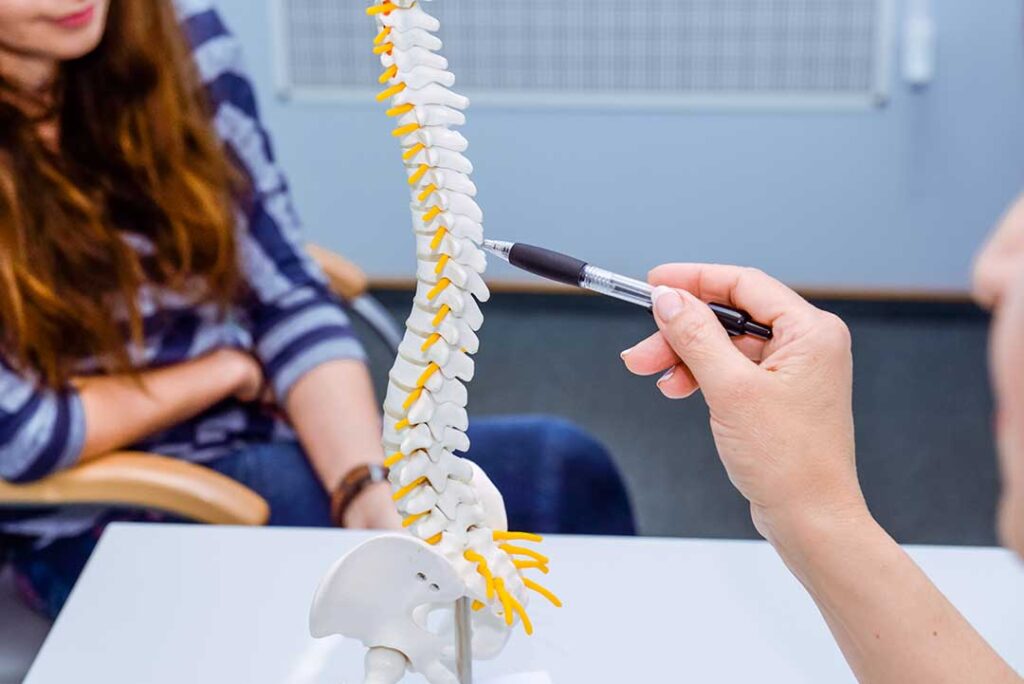
Active families in Auburn, NY often balance school, work, recreation, household responsibilities, and seasonal activities. Chiropractic care may be one part of a broader approach to managing muscle and joint discomfort, improving movement, and returning gradually to normal activity after minor strains.
It should not replace medical evaluation, physical therapy, strength training, or urgent care when those are needed. The most useful role of chiropractic care is usually practical: identifying movement-related problems, reducing certain types of pain, and helping people understand how daily habits affect the musculoskeletal system.
What can chiropractic care help active family members with?
Chiropractic care is commonly used for some forms of back pain, neck discomfort, joint stiffness, and movement limitations. Spinal manipulation is one of several nondrug approaches that may provide modest improvements in pain and function for some adults with acute or chronic low-back pain. ([nccih.nih.gov](https://www.nccih.nih.gov/health/spinal-manipulation-what-you-need-to-know?utm_source=openai))
For an active adult, that may relate to symptoms after:
- Repeated lifting, carrying, or bending
- A long drive or extended period of sitting
- Yardwork, home maintenance, or snow removal
- Recreational exercise or sports
- Sudden changes in activity after a period of inactivity
Care may include a health history, movement assessment, hands-on techniques, soft-tissue work, and exercises or activity advice. The appropriate approach depends on the person’s age, symptoms, health conditions, medications, and goals.
A key distinction is that chiropractic care may address pain and movement, but it does not “prevent every injury” or guarantee improved athletic performance. Strong evidence is more limited for broad claims about general wellness than for selected musculoskeletal complaints.
How might it support parents and working adults?
Parents often experience physical strain from lifting children, carrying equipment, moving household items, and spending long periods in awkward positions. Symptoms may build gradually rather than come from one obvious injury.
A movement-focused evaluation can help identify contributing factors such as limited hip or upper-back mobility, poor lifting mechanics, reduced trunk strength, or an abrupt increase in activity. The practical goal is not simply to make a joint “line up,” but to help the person move with less irritation and return to necessary activities at a reasonable pace.
For example, someone preparing for outdoor work after a sedentary winter may benefit from a gradual progression instead of attempting several hours of heavy work on the first warm weekend. Short breaks, changing positions, and using the legs and hips during lifting can also reduce repeated stress on the lower back.
Mild soreness or stiffness can occur after spinal manipulation and often resolves within a day or so. More serious complications are rare, but patients should share their complete health history and report symptoms such as numbness, weakness, or unusual headaches. ([nccih.nih.gov](https://www.nccih.nih.gov/health/spinal-manipulation-what-you-need-to-know?utm_source=openai))
Is chiropractic care appropriate for children and teenagers?
Children and teenagers should be evaluated according to their age, development, symptoms, and medical history. Research on complementary approaches in children is more limited than research in adults, and evidence is not strong enough to support broad claims for many pediatric conditions. Rare but serious complications have been reported with spinal manipulation, so accurate diagnosis and careful screening matter. ([nccih.nih.gov](https://www.nccih.nih.gov/health/children-and-the-use-of-complementary-health-approaches?utm_source=openai))
For a young person involved in sports, the first question is often whether the problem is a routine muscle or joint complaint or something that requires medical assessment. Persistent pain, swelling, limping, loss of strength, repeated injuries, or pain that occurs at night should not be ignored.
Parents should also be cautious about using chiropractic care as a substitute for evaluation of a possible concussion. A child or teenager with a suspected concussion should be removed from play and assessed according to current medical guidance. Return to sports is a healthcare decision, not simply a matter of whether the athlete feels ready. ([cdc.gov](https://www.cdc.gov/heads-up/response/index.html?utm_source=openai))
Can chiropractic care help with sports-related soreness?
It may help some athletes manage certain non-emergency muscle and joint complaints, particularly when care is combined with activity modification and rehabilitation exercises. The treatment plan should match the actual problem rather than assume that every sports injury is caused by spinal alignment.
A sensible recovery plan may include:
- Temporarily reducing the activity that increases pain
- Maintaining comfortable movement rather than remaining completely inactive
- Restoring range of motion gradually
- Building strength and control before returning to full intensity
- Reviewing footwear, equipment, warm-up habits, and training volume
- Returning to sport in stages instead of testing maximum effort immediately
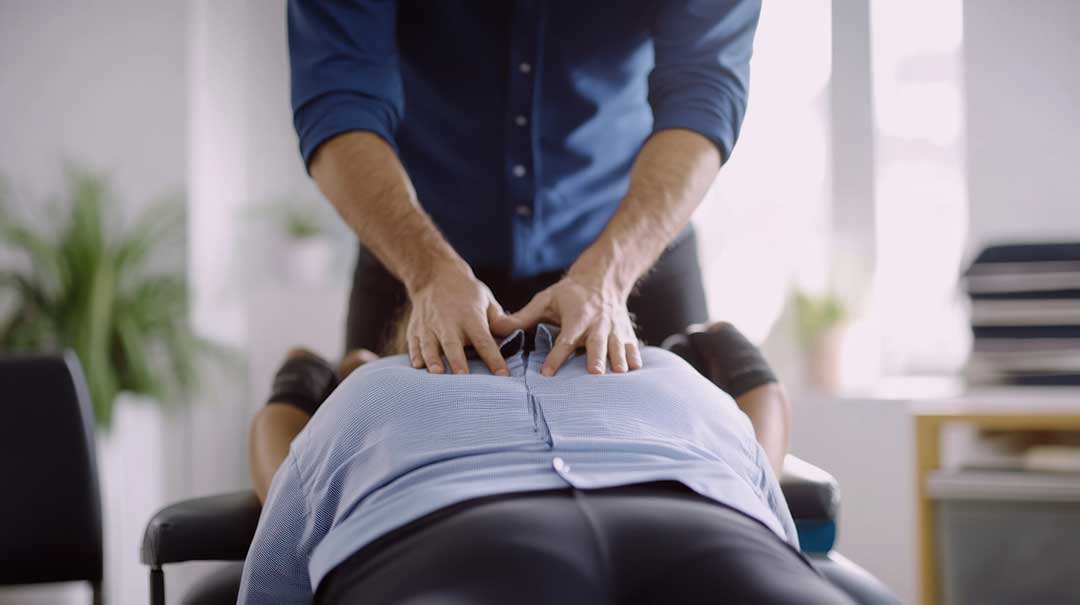
Pain that worsens, changes location, or is accompanied by swelling, instability, weakness, numbness, or loss of coordination deserves further evaluation. A sudden injury involving a deformity, inability to bear weight, severe pain, or possible fracture requires prompt medical care.
What should families consider during Auburn’s seasonal changes?
Seasonal routines can affect how much stress is placed on the body. During colder months, people may spend more time indoors, sit more often, and become less conditioned for outdoor tasks. When snow, ice, or freezing temperatures increase the physical demands of walking and shoveling, the risk of overexertion may also rise.
Useful habits include warming up with several minutes of easy movement, pushing snow when possible instead of lifting it, taking frequent breaks, and avoiding twisting while carrying a loaded shovel. Ice-related falls, vehicle collisions, and other traumatic injuries require medical evaluation rather than routine wellness care.
In warmer seasons, families may move quickly from limited activity to gardening, cycling, running, recreational leagues, or extensive home projects. Increasing duration and intensity gradually gives muscles, tendons, and joints time to adapt.
When is another type of medical care more appropriate?
Chiropractic care is not appropriate for every condition. Medical evaluation is especially important for symptoms involving significant trauma, fever, unexplained weight loss, history of cancer, infection risk, severe osteoporosis, suspected fracture, or progressive neurological changes. Conditions such as severe numbness, new weakness, or loss of bladder or bowel control require urgent attention.
Neck manipulation also deserves careful discussion because serious complications, although very rare, have been reported. A thorough screening process should consider health conditions, medications, previous injuries, and current symptoms before any treatment is selected. ([medlineplus.gov](https://www.medlineplus.gov/ency/patientinstructions/000416.htm?utm_source=openai))
Families can make better decisions by asking what condition is being treated, what improvement is expected, how progress will be measured, what risks apply, and when another healthcare professional should become involved. Coordinated care is often more useful than relying on a single type of treatment.
How can families build a balanced approach to staying active?
Chiropractic care works best as part of ordinary injury-prevention habits rather than as a replacement for them. Regular strength training, adequate sleep, hydration, warm-ups, age-appropriate activity, and gradual increases in workload all support healthy movement.
For households with several active members, simple routines can help: keep frequently used items at accessible heights, use proper lifting techniques, avoid long uninterrupted periods of sitting, and pay attention to early symptoms before they become limiting.
The broader goal is not constant treatment. It is helping each family member understand how to move safely, recognize warning signs, and return to normal activities with realistic expectations.
